
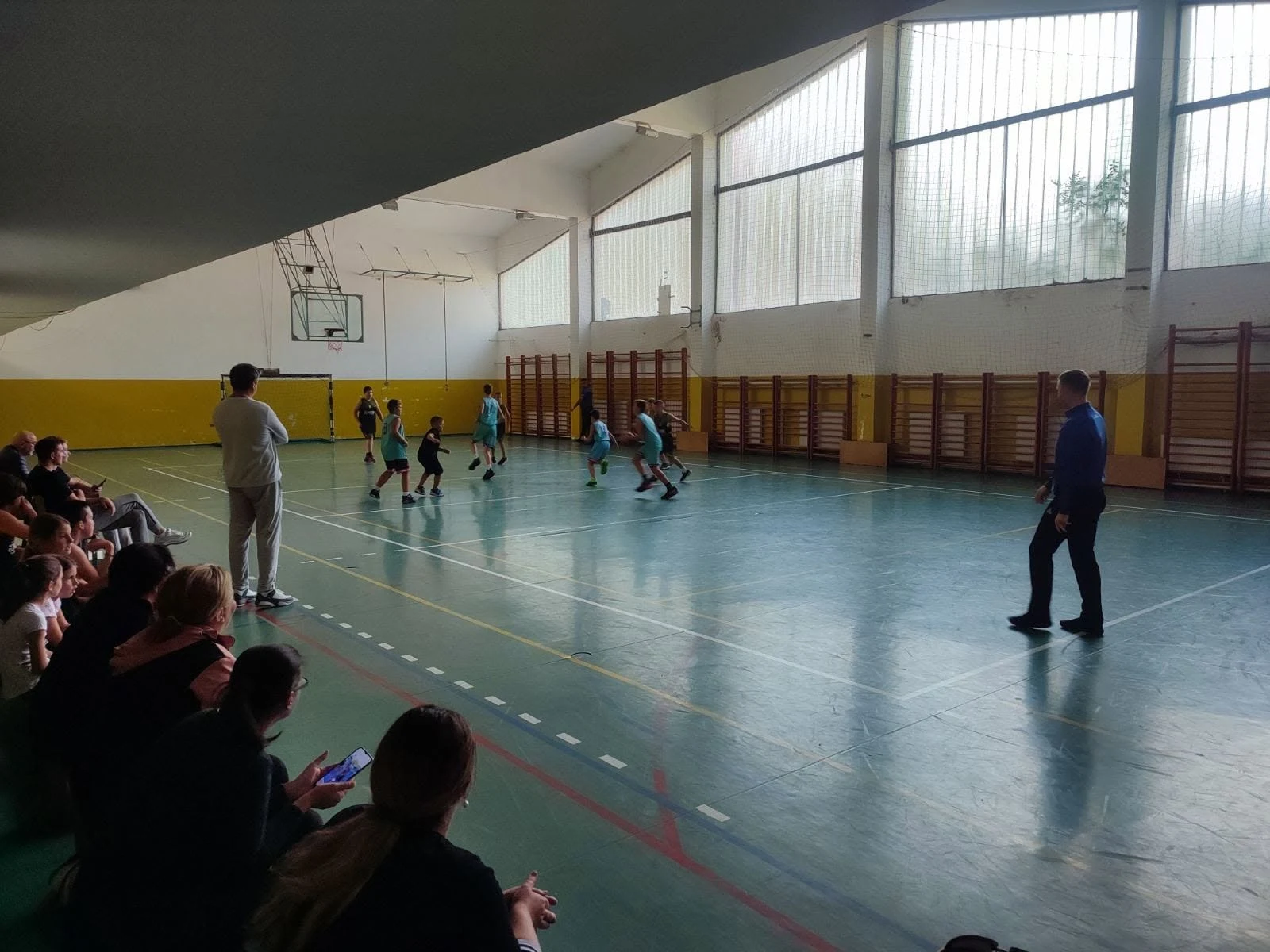
Dribbling
Use your fingertips to guide the ball rather than slapping it with your palm. Keep a comfortable stance and practise with each hand. Begin while stationary, then move slowly; look up when control allows so you can notice the court and other players.
Passing
A useful pass reaches a teammate where they can receive it comfortably. Face the target, communicate, and consider the distance and space. Practise chest and bounce passes with a partner; a pass is a shared action, so receiving with ready hands matters too.
Shooting
Begin with a balanced stance, a comfortable grip, and eyes on the target. Coordinate your legs and shooting arm, then follow through. Work close to the basket before increasing distance, and focus on repeatable movement rather than power.
Defense
Stay balanced, observe your opponent and the ball, and move your feet to maintain position. Communicate with teammates and respect personal space. Good defense relies on awareness and legal positioning, not pushing or grabbing.
Footwork
Balance supports every basketball skill. Practise stopping under control, changing direction, and pivoting on one foot. Learn the difference between a legal pivot and moving the pivot foot in a way that results in a travelling violation.
Game awareness
Watch the space around the ball, not just the ball itself. Notice open teammates, defensive positions, and available passing lanes. Sometimes the best decision is a simple pass or a pause rather than a difficult shot.
Communication and team strategy
Short, clear calls help teammates coordinate. Basic offense involves spacing, passing, and moving to useful positions; basic defense involves protecting the basket and supporting teammates. Learn concepts gradually and adapt practice to different abilities.
Have a question?
Get in touch with the organization.